
Avoid Cold Foods to Protect the Spleen and Stomach
After the end of the triple summer heat (Fu), the spleen and stomach remain weakened due to the energy depletion of summer. Continuing to indulge in cold drinks, raw foods, or cold seafood may easily lead to abdominal pain or diarrhea. It is advisable to reduce the intake of chilled foods and opt instead for warm, soft, and easily digestible ingredients such as Chinese yam, pumpkin, and millet congee to gradually nourish the digestive system.
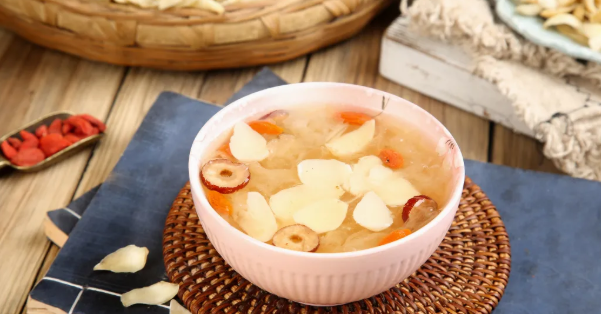
Balance Between Dispelling Dampness and Moisturizing Dryness
As autumn brings increasing dryness, summer dampness has not yet completely receded. The diet should aim to “clear dampness without depleting fluids, and moisturize without exacerbating dampness.” Suitable foods include coix seed and adzuki beans for dispelling dampness, paired with moistening ingredients like pears, snow fungus, and lily bulbs to nourish the lungs. Avoid over-emphasizing dampness clearance, which could worsen dryness.
Moderate “Autumn Weight Gain”
The traditional practice of “autumn weight gain” (Tie Qiu Biao) aims to replenish the body after summer depletion. However, since modern diets are generally nutrient-sufficient, supplementation should be tailored to individual needs. Choose neutral nourishing foods such as duck meat (which nourishes yin), lotus root (strengthens the spleen), and walnuts (moistens the lungs). Avoid greasy or heavy flavors that may burden the body. In the north, eating dumplings symbolizes “absorbing blessings,” while in the south, light nourishing soups like old duck soup or lotus seed congee are recommended.
Lifestyle: Sleep Early and Rise Early, Prevent Autumn Dryness
Adjust Daily Routine to Align with Autumn’s Energy
With shorter days and longer nights after the Fu period, follow the principle of “early to bed, early to rise” to synchronize with nature. Adequate sleep helps consolidate yang energy and alleviate autumn fatigue.
Prevent Dryness and Maintain Moisture
Dryness in autumn can easily harm the lungs. Regularly drink pear soup or honey water, and consume moistening foods like water chestnuts and loquats. Indoors, use a humidifier or place a water basin to maintain air moisture and prevent dry skin, itching, or throat irritation.
Exercise: Gentle and Moderate, Minimize Fluid Loss
Avoid Intense Workouts
Autumn exercise should focus on “converging” energy. Excessive sweating can deplete body fluids and worsen dryness. Choose gentle activities such as walking, Baduanjin, or yoga, aiming for only light sweating.
Replenish Fluids After Exercise
Drink warm water or lightly salted water to restore electrolytes. Avoid large quantities of cold beverages. The best times for exercise are early morning or evening, avoiding the midday heat.
Tips: Key Precautions After the Fu Period
- Guard Against Temperature Fluctuations: Add layers in the morning and evening, especially protecting the neck, abdomen, and feet.
- Prevent Colds: With significant temperature swings after Fu, those with weaker constitutions should be cautious of respiratory illnesses.
- Regulate Emotions: Autumn is prone to melancholy. Maintain a cheerful mood through outdoor walks, meditation, or other relaxing activities.