Traditional Chinese medicine believes that the head is the meeting of the suns, and most of the twelve meridians and eight strange meridians of the human body converge in the head. By straining these acupuncture points, it can play a role in dredging meridians, regulating qi and blood, balancing yin and yang, and then improving the physiological functions of the whole body.
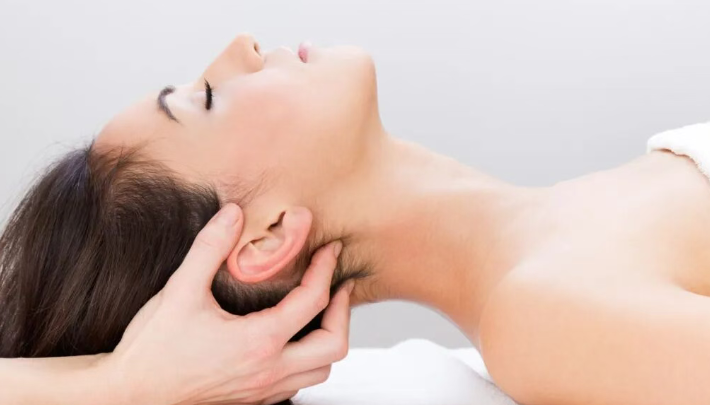
Specific operation methods
01Open the gate of heaven
The surgeon uses the pads of the thumbs of both hands to alternately push up to the front hairline (Shenting point) from the middle of the surgeon’s eyebrows (Yintang point), and repeat the operation 10 to 15 times. It plays a role in awakening the mind and opening the mind, calming and calming the nerves.
02Push the Kan Palace
The thumbs of both hands are pushed from the brow along the arch of the eyebrow to the tip of the eyebrow, which is called pushing the kan palace, and the operation is 10 to 15 times. It helps relieve symptoms such as headaches, red and swollen eyes, etc.
03Rub your temples
Gently rub the temples with the pads of your thumb or middle finger, and rub clockwise and counterclockwise for 1-2 minutes. It can clear wind and clear heat, clear the circulation and relieve pain.
04Take the Five Classics
Spread your fingers apart, from the front hairline to the back hairline, comb the scalp with the pads of your fingers, focusing on the five meridians of Datu meridian, bladder meridian, and gallbladder meridian, repeat 3-5 times. It can dredge the meridians and promote faster blood circulation in the head.
05Point rub the acupuncture points
Use the pads of your thumb to knead Baihui, Shenting, Fengchi, Sishencong and other acupuncture points, and knead for 1-2minute, depending on the soreness and swelling. It can regulate brain qi and blood and relieve head discomfort.
06The temporal part is dispersed
Push and rub the radial side of the thumb opposite the pads of the other four fingers, and rub back and forth along the temporal part from front to back for 1-2min. It can play a role in calming the liver and latent yang, awakening the brain and ears.
Efficacy
01Relieves headaches
It can effectively improve blood circulation in the head, relax tense muscles, and reduce headache symptoms caused by vasoconstriction, muscle tension and other reasons.
02Improve sleep
Head massage regulates nervous system function, balances excitement and inhibition processes, helps relax the body and mind, relieves mental stress, and improves sleep quality.
03Relieves eye fatigue
By stimulating the meridians and acupuncture points related to the eyes of the head, it can regulate the qi and blood of the eyes and relieve symptoms such as dry eyes, soreness, and blurred vision caused by long-term eye use.
04Prevent cerebrovascular disease
Long-term adherence to head massage can help maintain the elasticity of cerebral blood vessels, improve blood circulation in the brain, and reduce the risk of cerebrovascular diseases.
05Refreshing
Promote the flow of qi and blood in the head, provide sufficient oxygen and nutrients for the brain, enhance the functional activity of the brain, make people feel clear-headed, think quickly, and improve work and study efficiency.
06Grow hair and solidify hair
Applicable people:
(1) General population: suitable for most people, especially those who have been working at a desk for a long time, with high mental stress, anxiety, and nervousness, regular head massage treatment can play a role in health care.
(2) People with specific diseases: It has an adjuvant treatment effect on symptoms such as headache, insomnia, dreaminess, vertigo, memory loss, vertigo, and tinnitus.
Precautions and contraindications
1. The massage time is generally 20 – 30 minutes.
2. Patients with broken skin on the head, ulcers, inflammation, or severe cardiovascular and cerebrovascular diseases and the acute stage of bleeding disorders should not be massaged.
3. Pregnant women should avoid stimulating acupuncture points such as shoulder wells that may affect the fetus.