
Sitting for a long time at home, poor blood circulation, fatigue and fatigue have become the norm, but going to the gym is too time-consuming, and walking feels slow.
This article will help you turn your living room, kitchen, and bedroom into a “home gym”. Many daily actions in the home scene are transformed into “micro-exercises” through scientific adjustment, so that the whole family can easily maintain health and vitality.
01、Living room “Gym”
These details should be paid attention to
Correct posture for sitting on the sofa: The width of the sofa should be suitable for the length of the legs (the feet are naturally on the front end when bending the knees, and the buttocks are close to the backrest), and cushions can be added to stabilize the body; If the child’s feet are suspended in the air, a small stool should be placed under the foot to support it.
When choosing dishes, raise the operating surface (such as a coffee table) to keep your arms naturally relaxed; Avoid leaning forward for long periods of time.
02、Prepare dishes stir-fry dishes for washing dishes
“Fragmentation relaxation”
Dish preparation link: cut vegetables and stretch the fragment time to relax
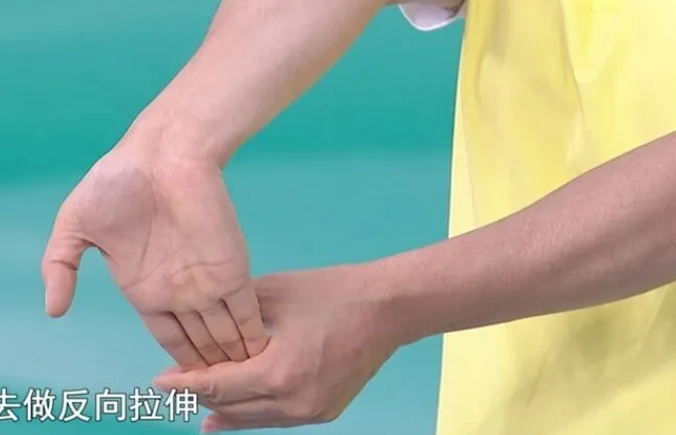
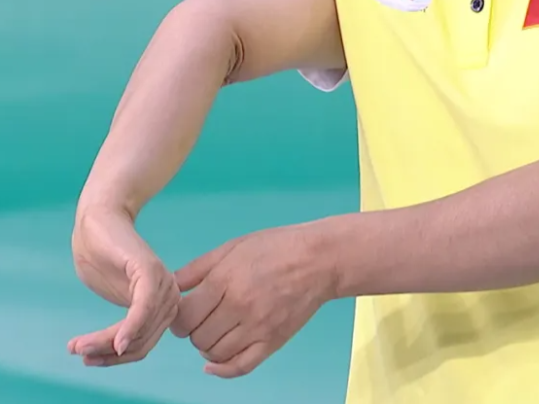
Cutting stretching: Stretch out your palm and use the distal end of your finger to do a reverse stretch (elongated arms, not shrug shoulders), or palm facing the sky, wrist extension and thumb (relax the pronator muscles of the forearm).
Source: CCTV Life Circle
Stir-fry: Spoon loosens shoulders to relieve shoulder and neck fatigue
Circle the spoon: Hold the spoon in both hands (shoulder-width), bend your elbows and place the spoon directly in front of your face, level with your ears. First, stand in a circle towards the left ear, then move to the back of the body to draw a circle, and finally turn to the right ear (activate the overall coordination of the shoulders, neck and chest).

Source: CCTV Life Circle
Dishwashing link: Towel spreads the chest and waist to reduce lumbar pressure
Towel side stretching: grab both ends of the towel with both hands (the elderly grasp both ends, children grasp the middle), lift it to the top of the head and move to the left/right side (guide the hip to move in reverse), stretch the lateral muscles of the lumbar spine (hold for 15~30 seconds).Towel back stretch: bend your elbows to lift the towel above your head, move it down towards the shoulder blades at the back of the neck (the back contracts, the thoracic spine pushes forward), repeat 6~8 times to relieve the arch of the chest.
03、The correct posture for “waking up and falling asleep”
Protects spinal health
Get up: Avoid “sit-ups” and get up suddenly
Activate the body: After the alarm clock sounds, first move your fingers and arms, turn your ankles, and activate your muscles; Bend your knees and hips, keep your heels close to your hips, and your body close to the edge of the bed.
Lie on your side and get up: Turn over into a side lying position, put your knees and calves on the edge of the bed, sit up with your arm support, and stay for a while before getting out of bed.
Lying down: From sitting to lying down, first sit firmly on the edge of the bed, move your hips back so that your thighs are close to the bed, then lie on your side and move your legs to the bed, and finally adjust to lying on your back.
Source: CCTV Life Circle
Before going to bed: “human body flipping book” style turnover
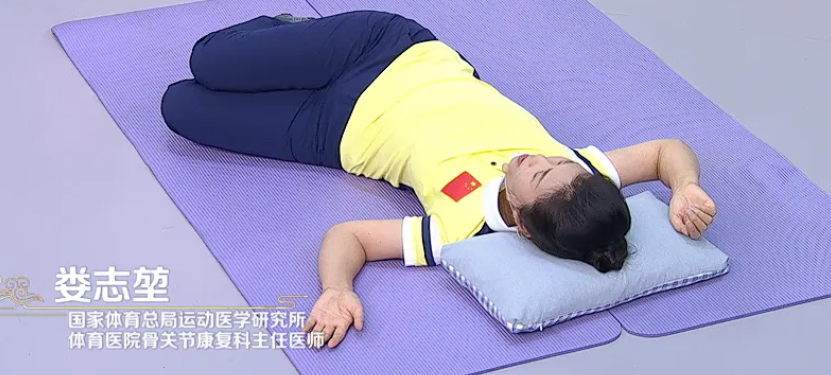
Upper limb flipping: lie on your back, bend your knees and bend your hips, expand and close both upper limbs horizontally (simulating flipping action), repeat 3~5 times, and relax your shoulders and back.
Lower limb flipping: In the same posture, the hip joint is abducted (the soles of the feet are opposite), the heel is close to the buttocks, and the hip joint and waist are stretched (adjust the amplitude according to physical ability).